
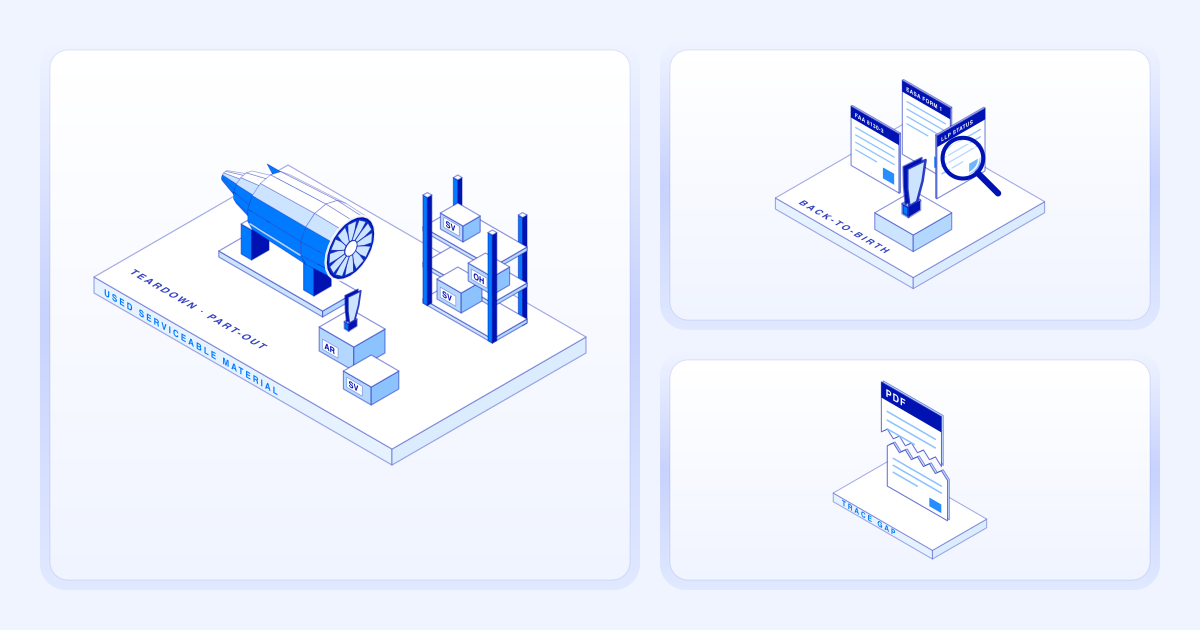
Ask anyone who buys parts for an airline or an MRO what has changed over the last few years and you will hear about lead times. New OEM parts take longer to arrive than they used to. That is a big reason used serviceable material, or USM, has moved from an occasional option to a regular part of the supply plan for many operators.
USM covers parts that have flown before, been inspected, repaired or overhauled as needed, and released as airworthy again. They are often available sooner than new parts, and when an aircraft is sitting on the ground waiting for a part, sooner tends to win the argument.
There is a catch. A used part arrives with its history, and somebody has to check that history before the part goes on an aircraft. As USM volumes grow, so does the pile of records waiting to be checked.
Why Airlines and MROs Are Turning to USM
The biggest change is availability. Production and delivery delays on new parts have made other sources more attractive, and every day an aircraft spends AOG is revenue the operator doesn't get back.
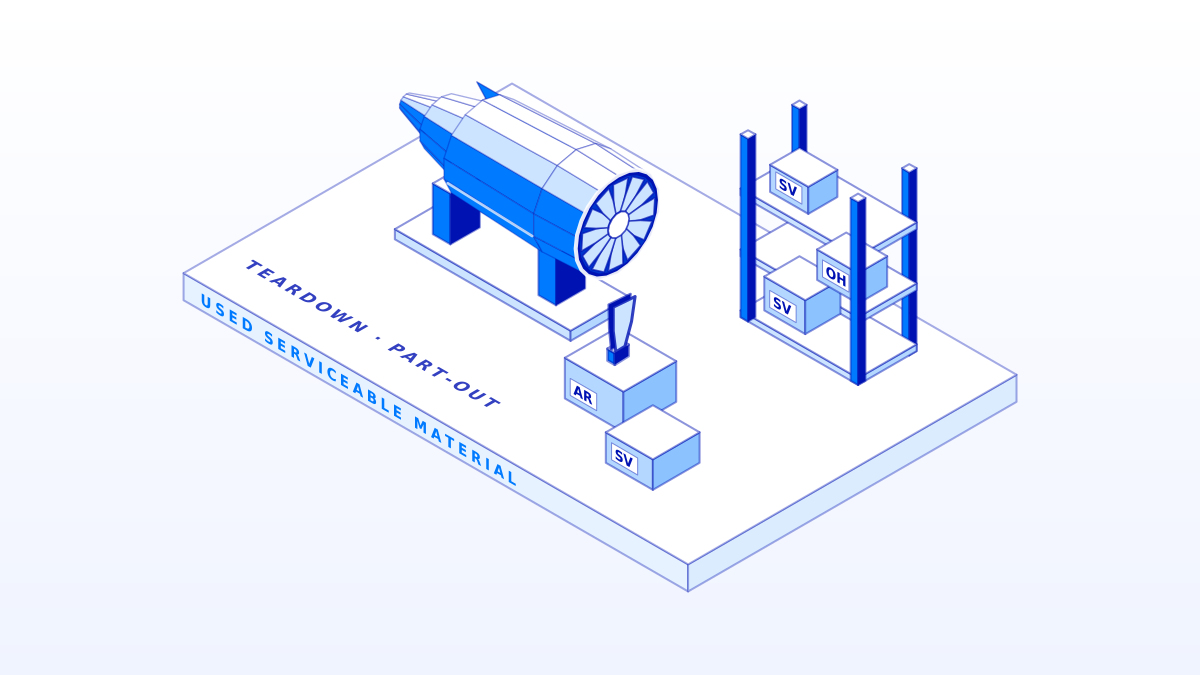
Supply is growing too. Retired aircraft and engines are torn down, and their serviceable parts go back into the market. Boeing has built its Aircraft Recycling Program around that idea, returning usable parts from retired airplanes to customers who need quality spares. With engine shops short on capacity, Bain & Company's analysis of the engine maintenance crunch also points to USM as one of the ways operators can keep shop visits moving.
China and Asia-Pacific Are Opening Up, Slowly
North America and Europe have relied on USM for decades. Other regions are getting there at their own pace. GA Telesis founder and CEO Abdol Moabery has said the Chinese market is opening, while being careful not to call it mature yet. Acceptance there has historically trailed the West, and it is shifting as operators pay closer attention to parts availability and aircraft utilization.
Aviation Week has reported a similar pattern across Asia-Pacific. Adoption is picking up, but buyers still run into purchasing policies written with new parts in mind, open regulatory and certification questions and, more than anything, doubts about whether a used part's history can be trusted. A regulator recognizing a new standard is real progress. It doesn't mean every operator changes how it buys the following quarter.
Every Used Part Comes With a Stack of Paper
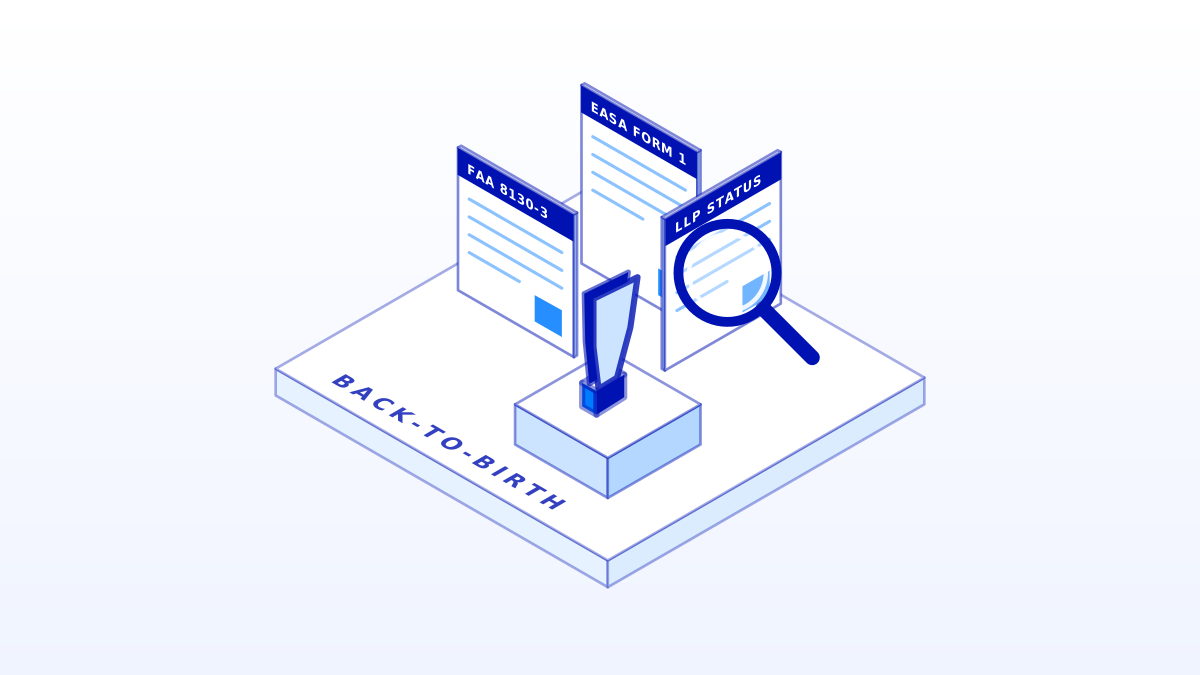
Take a high-pressure turbine disk pulled from a retired engine. It may have thousands of cycles left before it reaches its life limit, which makes it valuable. Nobody will install it on those numbers alone, though. The buyer wants to see where the disk came from, which engines it flew in, how many cycles it built up in each one, who worked on it and under which approvals. For a life-limited part like this, that usually means an unbroken back-to-birth trace.
Less critical parts need less, but the questions are much the same. A typical review covers:
- manufacturing and entry-into-service information
- previous owners and operators
- installation and removal records, on aircraft or higher assemblies
- maintenance, repair, overhaul and inspection records
- release certificates such as the FAA Form 8130-3 or EASA Form 1
- time and cycle data for LLPs
- a non-incident statement and the part's current condition
The AOG Technics case showed what happens when this goes wrong. When it came to light in 2023, airlines found engine parts with forged release documents already installed in their fleets. Since then the industry has leaned harder on things it already knew it should be doing: back-to-birth documentation where it is required, regular supplier audits, proper due diligence on new counterparties, and checking that every repair station in a part's history held the right approvals. IATA's guidance on aircraft decommissioning and on traceability documentation for LLPs and time-controlled components points in the same direction.
Where Deals Actually Stall
Most of that history still lives in PDFs. The trace package for a single part can include 8130-3s and EASA Form 1s, ATA Spec 106 forms, bills of sale, LLP status sheets, movement traceability sheets, shop visit reports, work orders and non-incident statements, issued by different companies over many years and in just as many formats.
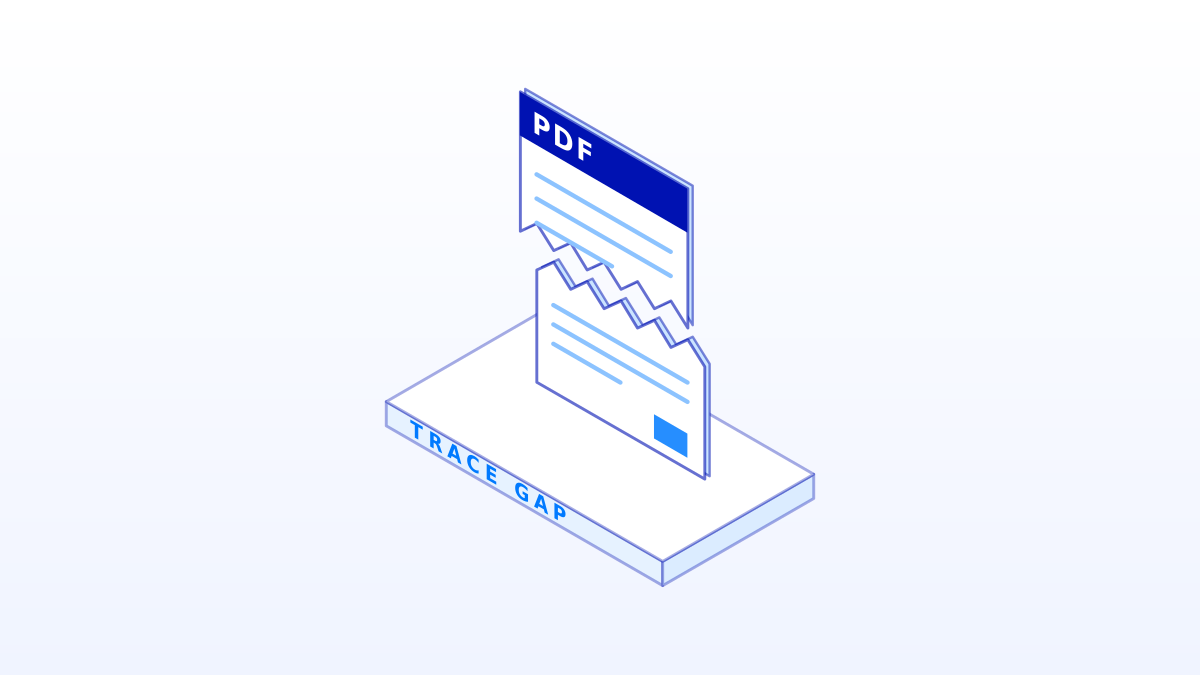
Someone has to read all of it, match up the part and serial numbers and make sure nothing is missing. For a handful of parts that is tedious. For a full set of engine LLPs, or everything that comes off a teardown, it turns into a real cost. And when one link in the chain is missing, a sale stalls, an installation slips, or a lease return drags on while everyone looks for a document that may be sitting in another company's archive.
Fixing It Takes More Than Scanning PDFs
Two things would make a real difference. The first is getting the history that already exists out of documents and into structured data. AI can help here: it can sort a trace package, group documents by part and serial number, pull out the key fields, map them to lifecycle events and flag anything that doesn't add up. What it can't do is decide whether a certificate is genuine or acceptable to a regulator, or confirm that the paperwork belongs to the part on the bench. People still have to make those calls.
The second is recording new events as they happen, so the next buyer doesn't have to rebuild the history from paper. A birth, a sale, an installation, a removal, a shop visit, a scrap decision: each one becomes a dated record tied to the part's identity and visible to the parties who need it.
Blockchain helps with that second part, within limits. A ledger can show that a record hasn't been changed since it was written. It can't show that the record was right when it was written, which is why the review step matters as much as the technology does.
Where WILBUR™ Fits
This is the problem we are working on with WILBUR™, the Worldwide Integrated Lifecycle and Blockchain Unified Registry. Each tracked part gets its own Part Token, a digital twin that holds its certifications, provenance documents and history. Lifecycle events, from Birth and Sold through Installed on Aircraft, Removed from Aircraft and Repaired to Scrapped, are written to the blockchain and linked into one timeline that every authorized party sees the same way.
Our Connector Agent plugs into the ERP and maintenance systems companies already use, so events are captured where they happen instead of being typed in again later. For history that only exists on paper, we are working on AI-assisted document processing with a human review step, so legacy trace packages can become approved digital records.
The goal is that checking a used part's history should take minutes, not days. You can follow a part through its lifecycle on WILBUR™ or try the interactive demo.